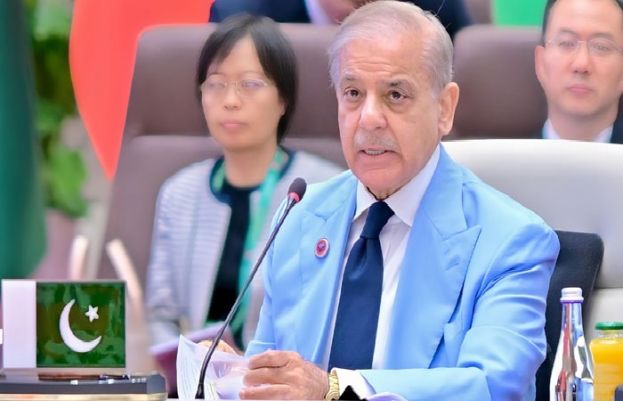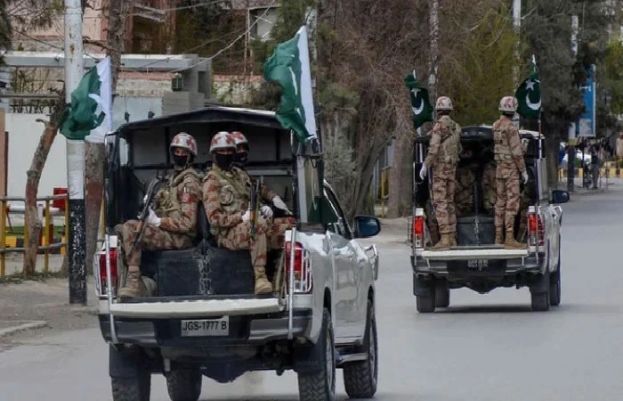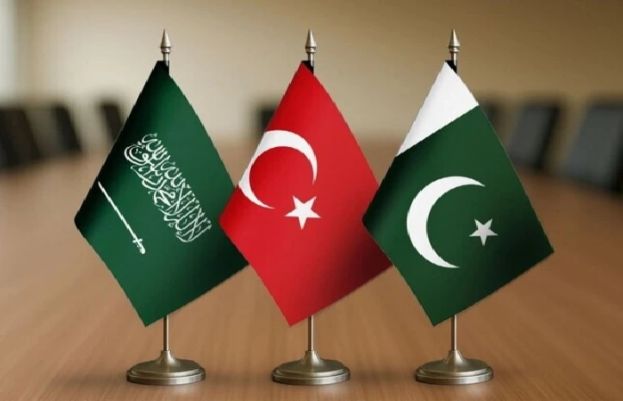

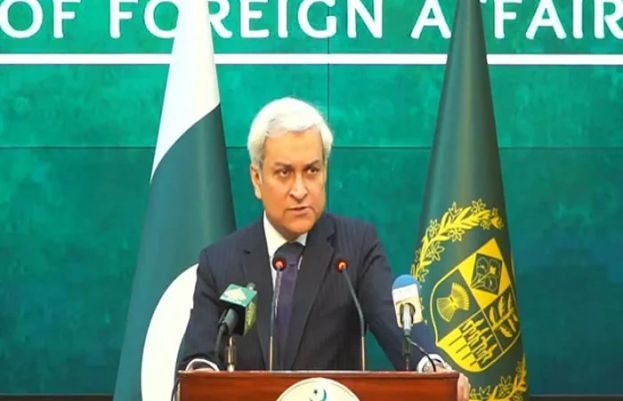
Foreign Office Spokesperson Tahir Hussain Andrabi said on Friday that the delay in the visit of a high-level Turkiye delegation to Pakistan – originally scheduled for last month – may be linked to the Taliban regime’s lack of cooperation. The visit was intended to discuss tensions between Pakistan and the Afghan Taliban. The planned visit was first revealed by Turkiye President Recep Tayyip Erdogan during his meeting with Prime Minister Shehbaz Sharif in Baku last month. According to Turkiye’s Ambassador to Pakistan, Dr. Irfan Neziroglu, who helped facilitate the Istanbul trilateral talks on Afghanistan, the delegation would include the Turkish intelligence chief and senior ministers. During his weekly briefing, Andrabi noted that scheduling conflicts could also have contributed to the delay. He emphasized that Pakistan will keep its border with Afghanistan closed until Kabul provides firm assurances that terrorists and violent elements will not cross into Pakistan. “The border closure must be seen in the broader security context,” he added, noting that cross-border terrorism involves not only TTP and TTA militants but also Afghan nationals engaged in serious crimes inside Pakistan. On the reopening of the Torkham and Chaman border crossings on Thursday, the FO clarified that the move was strictly for humanitarian aid. Background: Pak-Afghan Border Tensions Pakistan had closed the Torkham and Chaman borders on October 12 following unprovoked attacks by the Afghan Taliban and affiliated militants on Pakistani Armed Forces posts along the border. The clashes, which began overnight on October 11–12, resulted in the deaths of over 200 Taliban and militants, while 23 Pakistani soldiers were martyred. In response, Pakistan carried out precision strikes inside Afghanistan, targeting terrorist positions in Kandahar and Kabul. A temporary 48-hour ceasefire was announced on October 15 at Afghanistan’s request. The two sides eventually signed a formal ceasefire agreement in Qatar on October 19, mediated by Doha and Turkiye. The agreement calls for the immediate cessation of terrorism originating from Afghanistan and establishes mechanisms to strengthen long-term peace and stability between the two nations. The two sides then held further talks in Turkiye which collapsed after Pakistan refused to accept the Taliban delegation’s “illogical” arguments and refusal to address Islamabad’s concerns regarding cross-border terrorism. However, mediators persuaded Pakistan to give the talks another chance, which ultimately resulted in an agreement to uphold the ceasefire.