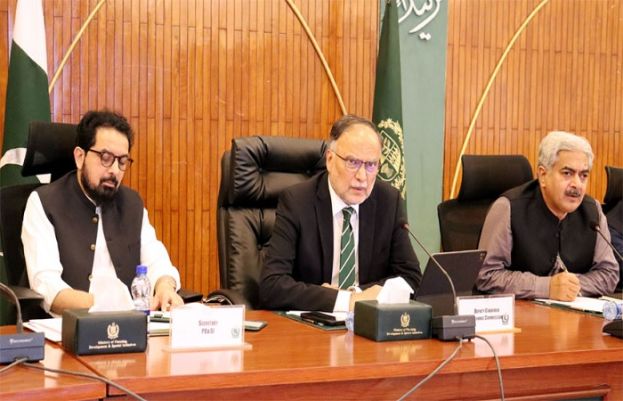

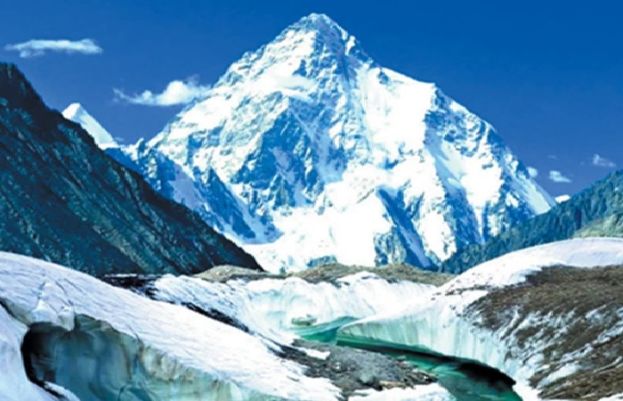
The Senate Standing Committee on Climate Change and Environmental Coordination was informed that only 38 out of approximately 63,700 glaciers in the Hindu Kush Himalaya (HKH) region have so far undergone field-level monitoring. The meeting, chaired by Senator Sherry Rehman, reviewed glacier monitoring, glacial lakes, early warning systems, climate data and disaster management mechanisms. Dr Qurrat-ul-Ain of the Global Change Impact Studies Centre (GCISC) briefed the committee that the Hindu Kush Himalaya region has approximately 63,000 glaciers, while 13,032 glaciers have been recorded in Gilgit-Baltistan. She said remote-sensing data showed that the glacier-covered area in the HKH region declined by approximately 12 percent between 1920 and 2020. According to Dr Qurrat-ul-Ain, physical monitoring of thousands of glaciers is an expensive and challenging task. She stressed the need to combine satellite and remote-sensing data with field observations to improve the assessment of glacier changes and climate-related risks. The committee was also briefed on disaster management and early warning systems in Gilgit-Baltistan. Director General Disaster Management Gilgit-Baltistan Atta-ur-Rehman Kakar told the committee that Gilgit-Baltistan does not have direct access to the latest high-risk hazard data and updates of the Pakistan Meteorological Department (PMD). He said that in the event of a potential hazard, early warning information first reaches PMD, where it is processed before being communicated to Gilgit-Baltistan, potentially causing delays in the availability of critical information. Kakar proposed establishing a central dashboard linking PMD, the National Disaster Management Authority (NDMA), SUPARCO and other relevant institutions so that climate and disaster-related information could be made available to all concerned agencies simultaneously. He also called for a clear and sustainable mechanism for the maintenance, transfer of management responsibility and funding of early warning systems and equipment installed in Gilgit-Baltistan. Federal Minister for Climate Change Dr Musadik Masood Malik said a committee constituted by the prime minister was working on a central system for data sharing and coordination among relevant institutions. The meeting stressed the need to integrate glacier monitoring, climate data, satellite information, early warning systems and disaster management mechanisms to ensure timely warnings reach vulnerable communities during glacier-related emergencies. Senator Sherry Rehman stressed the need for regular glacier monitoring, reliable climate data and more effective early warning systems.