

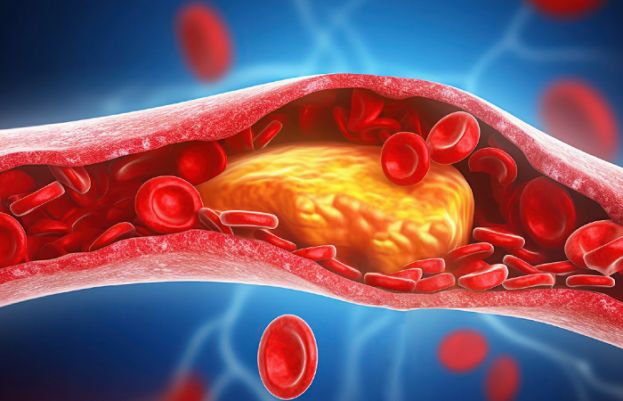
High cholesterol is often described by medical experts as a “silent” health condition that can develop for years without noticeable symptoms, while gradually increasing the risk of serious complications affecting the heart, brain and other vital organs. Health specialists say many people only discover the problem once it has already progressed into a serious medical condition such as heart disease or stroke. Cholesterol is a fat-like substance present in the blood, produced naturally by the liver and also obtained through diet, particularly from meat, fish, eggs and dairy products. While essential for hormone production, cell structure and vitamin D synthesis, excess levels can become dangerous. Doctors explain that cholesterol is broadly divided into two types: high-density lipoprotein (HDL), often referred to as “good” cholesterol, and low-density lipoprotein (LDL), known as “bad” cholesterol. HDL helps remove excess fat from the bloodstream, while LDL can accumulate in blood vessels, narrowing and hardening them in a process medically known as atherosclerosis. Because it progresses without obvious warning signs, high cholesterol is often called a “silent killer.” However, once arteries become significantly narrowed, symptoms such as chest pain, shortness of breath, leg discomfort, heart attack or stroke may occur. Experts warn that waiting for symptoms can be dangerous and stress the importance of early testing. Doctors recommend that individuals with diabetes, high blood pressure, obesity, or smoking habits undergo regular lipid profile testing, in some cases every six months, and at least once a year for others, depending on risk factors. Medical experts further advise that lifestyle modifications can significantly reduce the risk. These include adopting a balanced diet, reducing intake of fatty foods and red meat, and increasing consumption of fibre-rich foods such as oats, lentils, and fruits. Limiting egg yolk intake is also recommended. Regular physical activity is equally important. At least 30 minutes of brisk walking daily and around 150 minutes of weekly exercise can help keep cholesterol levels under control. Experts emphasize that since the condition progresses silently, routine screening combined with healthy lifestyle habits remains the most effective strategy for prevention and long-term health protection.