
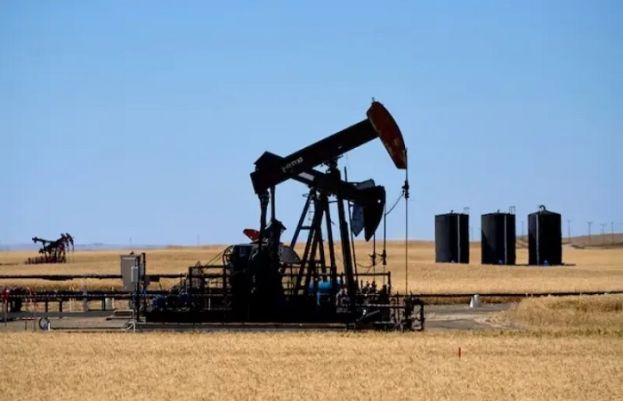
Oil prices dropped about 1% on Thursday, down for a third consecutive day, after Qatar said Iran and the US had made progress in indirect talks focused on the Strait of Hormuz, which handled one-fifth of global oil supply before the war. Brent futures lost 77 cents or 1.1% to $70.80 a barrel by 0256 GMT, while US West Texas Intermediate crude fell 84 cents or 1.2% to $67.74 a barrel. Both benchmarks also fell more than 1% in the previous session, hitting their lowest levels in four months. The Doha talks produced “positive progress” on issues related to the memorandum that halted the war in June, a Qatar Foreign Ministry spokesperson said in a post on X. There was, however, no sign that the two sides had made headway towards a lasting peace. As the strait stays open and crude oil flows out, there are growing expectations of oversupply and competition for market share is pushing prices down, Haitong Futures said in a note. OPEC+ oil-producing countries will likely agree to a further hike in their output targets from August when they meet on Sunday, sources said on Wednesday. UBS on Thursday cut its Brent forecasts citing the US-Iran memorandum of understanding and the subsequent increase in oil shipping through the Strait of Hormuz. It cut its average Brent price forecast for the September quarter by $25 and for the December quarter by $10. The bank now expects the benchmark to average $80 a barrel during the second half of the year and $75 in 2027. “Despite this, we believe it is premature to assume a full normalisation, & see price risk skewed to the upside noting that inbound tankers to the Persian Gulf have lagged outbound tankers,” UBS said. The next meeting between Iran and US negotiators will take place after funeral processions for Iran’s late Supreme Leader Ayatollah Ali Khamenei on July 9, Qatar’s Foreign Ministry also said.