
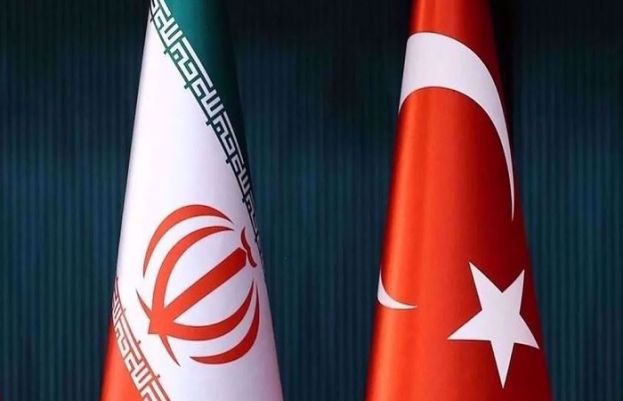
Iran’s acting defense minister has called for the creation of a joint security mechanism among Islamic countries, stating that the presence of extra-regional forces has become a source of instability, during a telephone conversation with his Turkish counterpart. Brigadier General Majid Ibn Reza and Turkish Defense Minister Yasar Guler reviewed regional developments, the implementation of the June 27 ceasefire agreement between Iran and the US, and ways to enhance defense and security ties between Tehran and Ankara. The ceasefire was formalized through the 14-article Islamabad Memorandum of Understanding, which declared an immediate and permanent cessation of military operations on all fronts, including in Lebanon. The agreement requires the US and its allies to fully halt military action against Iran and Lebanon. Ibn Reza said Tehran accepted the arrangement to “help restore regional stability” and at the request of friendly and neighboring countries. However, he expressed deep distrust in the United States, citing a long record of failing to honor its commitments. “Given the long history of US breach of promises, we have zero trust in the opposing side,” Ibn Reza said. “The Armed Forces of Iran remain on full alert, and any violation of the agreement will be met with a proportionate response.” Ibn Reza strongly condemned Israeli atrocities in Gaza, Lebanon, Syria, and Iran, saying continued US support has enabled Israel to persist in destabilizing policies and become more emboldened. He urged Islamic countries to demonstrate practical unity and solidarity to prevent such policies from continuing. The acting defense minister reiterated Iran’s proposal for a security alliance among Islamic countries, involving states such as Iran, Turkey, Pakistan, Saudi Arabia, Egypt, and other Muslim nations. “The recent war showed that the region’s security must be ensured by the countries of the region,” he said. “The presence of foreign forces is not only incapable of creating security but also increases distrust, uncertainty and insecurity.” Ibn Reza warned against Israeli plans to establish so-called security zones in Syria and Lebanon, saying such moves could pave the way for a broader regional crisis. He added that recent statements by US officials about opening a new front against Lebanon’s Hezbollah could expose the entire region to fresh security threats. Stressing that the security of the Persian Gulf should be managed by regional countries, he said security is “an endogenous matter” and that reliance on extra-regional powers cannot produce lasting stability. He said broader defense, military, and security cooperation between Tehran and Ankara would strengthen collective regional security, adding that Iran is ready to continue consultations with Turkey and other regional states on creating new and sustainable security arrangements. For his part, Guler offered condolences over the martyrdom of Leader of the Islamic Revolution Ayatollah Seyyed Ali Khamenei, military commanders, civilians, and in particular schoolchildren massacred by the US in the southern city of Minab. He reaffirmed Ankara’s support for the full implementation of the ceasefire and the continuation of diplomacy.”The region’s security can only be ensured through dialogue, cooperation and the participation of regional countries,” Guler said, adding that Turkey supports preserving the territorial integrity of neighboring states. He said Ankara is prepared to further expand cooperation with Iran in areas including counterterrorism, border security, and regional issues. Guler added that regional cooperation and convergence remain the only path to lasting peace, saying Turkey will support any initiative aimed at reducing tensions, combating terrorism, and strengthening regional security. The two ministers agreed to maintain close consultations on regional developments.